
Internal Family Systems (IFS) Therapy
What is Internal Family Systems (IFS) Therapy?
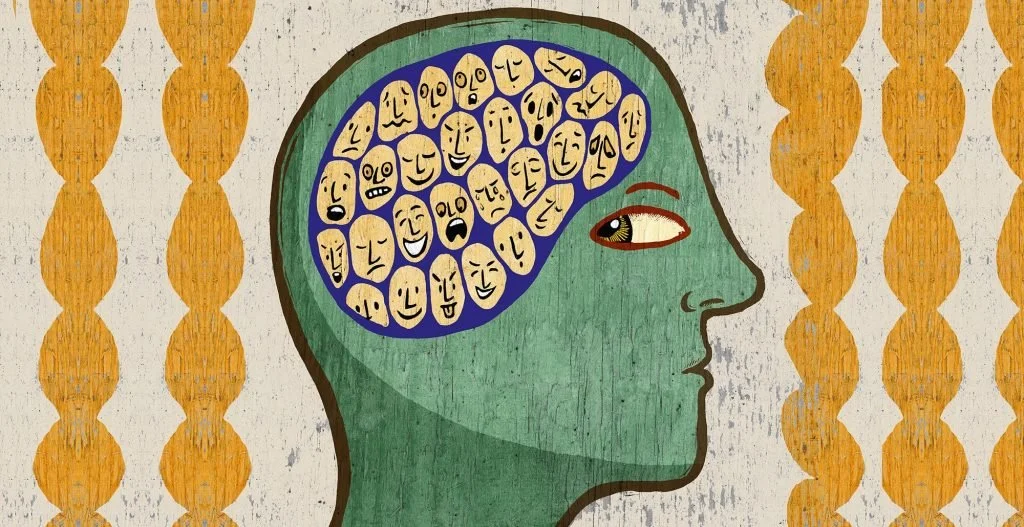
Internal Family Systems (IFS) therapy is a gentle, non-pathologizing, evidence-informed approach that helps individuals heal trauma, emotional wounds, and long-standing patterns by developing compassionate relationships with the different “parts” of themselves. Rather than trying to eliminate symptoms or suppress difficult emotions, IFS recognizes that every part of us—even the ones that feel extreme or reactive—is trying to protect us in the best way it knows how.
In IFS, each person has exiles—parts holding pain, fear, or shame often rooted in trauma or unmet childhood needs. When these vulnerable parts feel threatened, protector parts step in. Protectors generally take two forms:
Managers
These parts work proactively to prevent pain by keeping life controlled, organized, or perfect. Thoughts like “I must not make mistakes” or “I need to stay in control” often come from manager parts.
Firefighters
When emotional pain breaks through, firefighter parts react quickly to extinguish it—sometimes through overwhelm, panic, numbing, avoidance, or impulsive behaviors. While their strategies may feel unhelpful, their underlying intention is always protection.
IFS helps us understand these inner dynamics so we can move toward greater internal harmony, connection, and self-leadership.
How IFS Works in Therapy
IFS therapy supports clients in cultivating curiosity, compassion, and mindful presence toward every part of their internal world. Through this process, protector parts gradually trust that they no longer need to hold extreme roles, allowing exiles to safely express their pain and release long-held burdens.
A typical IFS session may include:
Mapping parts to understand their roles, fears, and relationships
Developing compassionate awareness of each part
Facilitating unburdening so wounded parts can release harmful beliefs or emotions
Restoring inner balance as parts learn to trust one another and the system reorganizes around clarity, compassion, and stability
Integrating Somatic IFS
In addition to traditional IFS, therapy may incorporate elements of Somatic IFS, an approach developed by Susan McConnell that brings the body into the healing process. Somatic IFS recognizes that parts often express themselves through sensations, breath patterns, tension, and movement.
Using gentle somatic awareness—such as noticing breath, grounding through posture, or sensing where a part resides in the body—clients can access and heal parts more fully. These somatic elements help support emotional regulation, deepen self-understanding, and strengthen internal safety during IFS work.
Benefits of IFS and Somatic IFS Therapy
Clients often experience:
Increased self-awareness and insight into emotional patterns
Greater compassion for themselves and their internal experience
Relief from trauma symptoms and complex PTSD
Improved emotional regulation and nervous-system stability
Reduced anxiety, depression, and internal conflict
Stronger relationships through improved understanding of triggers
A deeper sense of inner harmony, balance, and integration
The addition of Somatic IFS often leads to quicker access to parts, more profound emotional release, and greater embodiment of healing.
Begin Internal Family Systems Therapy in Asheville
At Mindful Therapy Asheville, Patrick provides IFS and Somatic IFS–informed therapy in a warm, trauma-sensitive, and spiritually grounded environment. Sessions blend IFS, mindfulness, and somatic awareness to create a safe space where all parts of you can be welcomed, understood, and supported.
Whether you’re healing from trauma, navigating emotional challenges, or seeking deeper self-understanding, IFS offers a transformative path toward reconnecting with your authentic Self and releasing long-held burdens.
You are invited to begin this gentle, powerful journey of inner healing.