


Trauma & Complex PTSD Asheville
Trauma and C-PTSD: Understanding the Impact
At Mindful Therapy Asheville, trauma and Complex PTSD (C-PTSD) are among the core concerns supported in therapy. Trauma is not simply the event that occurred—it is the lasting imprint on the body, mind, and nervous system when an experience overwhelms our ability to cope. As Gabor Maté describes, trauma often creates a disconnection from the self, while Peter Levine highlights how unresolved survival responses become “stuck” in the body, shaping emotional and relational patterns long after the threat has passed.
Complex trauma, especially when experienced repeatedly or within important relationships (childhood environments, caregivers, partners), can extend its influence into every layer of a person’s life—sense of identity, trust, safety, boundaries, and emotional regulation. Trauma therapy can help you understand trauma’s impact on your mind and body while offering a supportive path back to safety, balance, and healing.
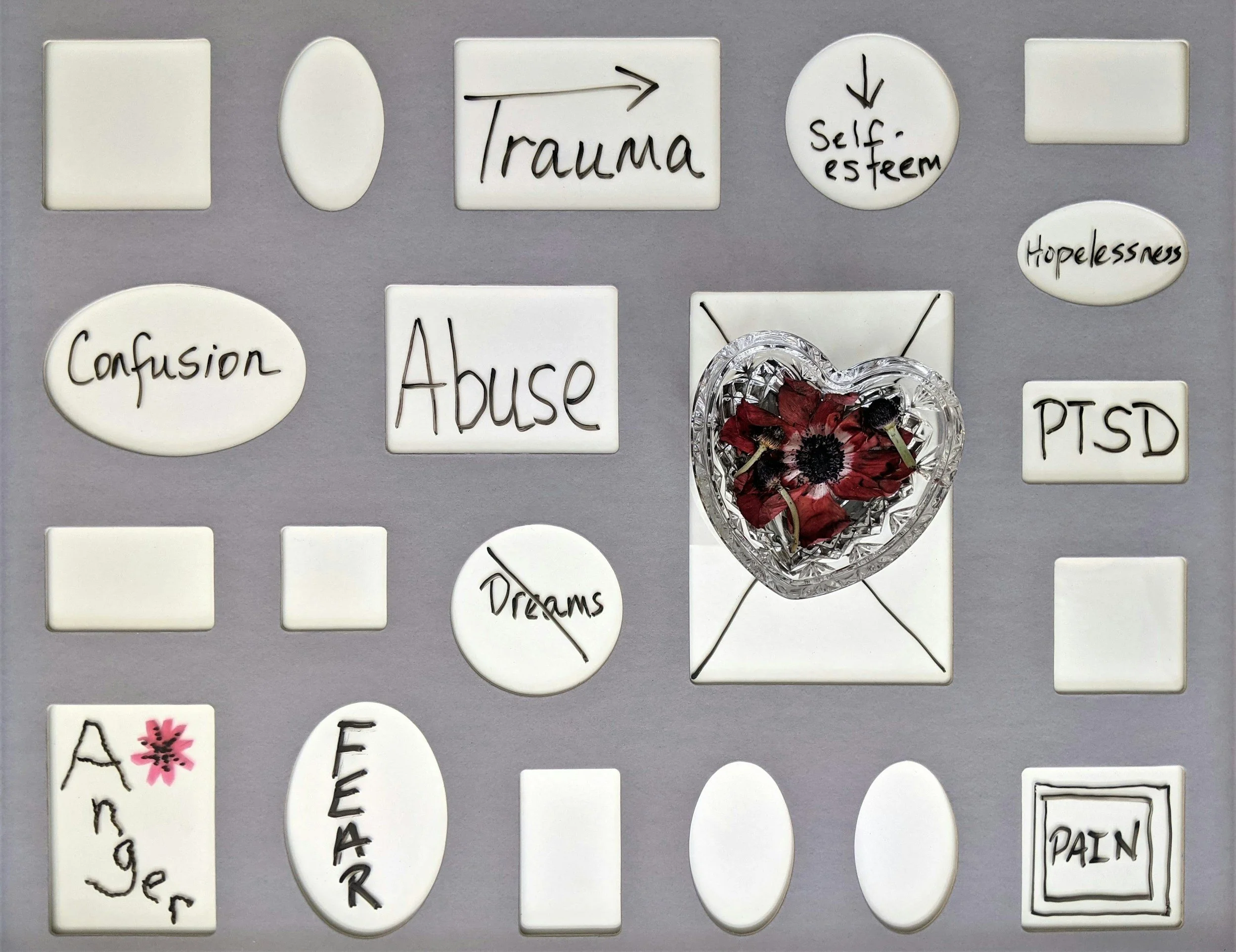
How Trauma Shows Up in Daily Life
Trauma and C-PTSD often manifest in ways that feel confusing, overwhelming, or chronic. Individuals may experience:
Emotional flashbacks
Persistent shame, self-criticism, or negative beliefs
Difficulty trusting others or forming secure relationships
Hypervigilance, anxiety, or shutdown
Feeling numb or disconnected from one’s body
Chronic stress or internal tension
Trouble managing intense emotions
A sense of being “stuck” in old patterns
These responses are not personal failures—they are learned survival strategies the nervous system developed to keep you safe.
Why Trauma Matters: The Internal System
Based on the Internal Family Systems (IFS) model created by Dr. Richard Schwartz, trauma often causes certain inner “parts” to take on overwhelming roles. Psychiatrist and IFS trainer Frank Anderson has shown how trauma leads to:
Protective parts working overtime (perfectionism, control, avoidance, shutdown)
“Firefighter” parts using intense behaviors to stop overwhelming emotions
Exiled parts holding pain, fear, shame, or unmet needs
When trauma remains unresolved, the system becomes organized around protection rather than connection. The goal of healing is not to eliminate parts, but to help them trust that the Self—the calm, compassionate inner core—is available again.
A Supportive Path Toward Healing
Trauma and Complex PTSD are treated through an integrative lens that combines:
• Internal Family Systems (IFS) – helping clients connect with protective parts and gently unburden wounded exiles.
• Acceptance and Commitment Therapy (ACT) – cultivating emotional acceptance, flexibility, and values-based living.
• Mindfulness practices – grounding the nervous system and increasing present-moment awareness.
• Contemporary trauma theory – drawing from insights by Maté, Levine, Schwartz, and Anderson to guide safe, effective healing.
The goal is to strengthen regulation, reconnect the internal system, and restore the sense of agency that trauma disrupts.
Common Concerns That Often Accompany Trauma
Because trauma affects the entire emotional and physiological system, many clients also seek therapy for challenges such as:
Anxiety and panic
Depression or low mood
Relationship struggles or attachment wounds
Identity confusion or loss of purpose
Body-based symptoms (tightness, numbness, chronic activation)
Difficulty setting boundaries
People-pleasing, over-functioning, or conflict avoidance
A trauma-informed perspective helps reveal how these symptoms often stem from unresolved survival responses rather than personal shortcomings.
Reclaiming Connection and Safety
Healing from trauma and Complex PTSD is not about erasing the past—it is about building new pathways of safety, self-trust, and inner cohesion. Through this integrative approach, individuals often experience:
A calmer nervous system
Greater emotional regulation
Reconnection with exiled parts and inner resources
Relief from chronic shame or self-blame
Stronger relationships and boundaries
Increased self-compassion
A more grounded sense of identity
The freedom to move toward a life aligned with personal values
Trauma healing is possible. With understanding, support, and the right tools, the internal system can reorganize around connection rather than protection.
If Trauma Is Part of Your Story
If you recognize yourself in these experiences, you’re not alone. Trauma and Complex PTSD can shape how you relate to yourself and others, but they do not define who you are. At Mindful Therapy Asheville, you’ll find a compassionate, respectful space to explore these experiences at a pace that feels safe—honoring both the wisdom of your survival strategies and the possibility of deep, lasting change.