


Mindfulness Meditation Guidance & Mentoring
One-on-One Instruction
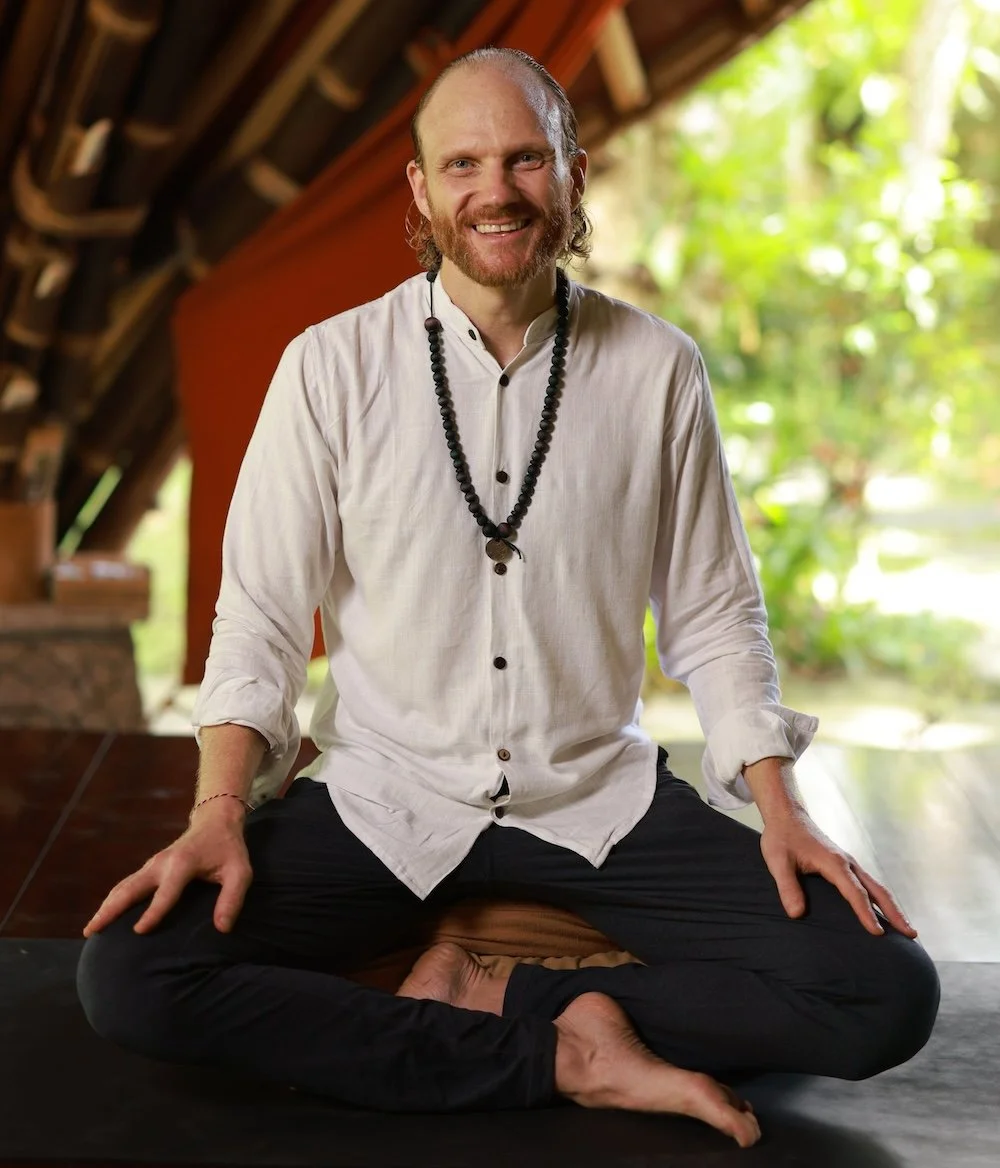
At Mindful Therapy Asheville, Patrick offers one-on-one mindfulness meditation instruction and mentorship for beginners and experienced meditators alike. Meditation is a pathway to reconnecting with both our inner being and our inter-being—our deep sense of connection with others and the world around us. Meditation is less about “fixing” yourself and more cultivating the capacity to be intentional about our attention, about transforming the relationship you have with your thoughts, emotions, and sensations. When we stop fighting our experience and start meeting it with curiosity and compassion, suffering naturally decreases. Of course, while it may be a simple idea, puttting it into practice on a moment to moment basis is where the work is!
Meditation can be practiced alone, yet many people find it profoundly beneficial to learn with a teacher or within a sangha (community). Patrick offers grounded, trauma-informed guidance for meditators of all experience levels and can also help you locate a local Asheville-area sangha if you wish to practice in community.
May you be well. May you be at ease. May you be happy. May you be free from suffering.
Why Mindfulness?
Mindfulness is the practice of bringing gentle, compassionate awareness to the present moment. It teaches us to relate to our thoughts, feelings, and sensations with curiosity and kindness rather than resistance or judgment.
This shift matters. Because in mindfulness practice, we learn that it’s not the experience itself that causes suffering—it’s how we relate to the experience.
When we cling, resist, tighten, or identify with what is happening, suffering increases. When we soften, open, and allow, freedom from suffering becomes possible. Mindfulness can be practiced informally throughout daily life and formally through sitting, standing, lying down, or walking meditation. Both forms are essential to building resilience and inner peace.
How We Practice Mindfulness Meditation
1. Concentration Practice
Concentration meditation is a practice of training the mind to rest on a single point of focus. Often this is the breath, though sound, body sensations, or a visual object may also be used.
Key steps include:
Choosing an object of attention
Gently resting the mind there
Noticing when the mind wanders
Relating to distraction with compassion rather than self-criticism
Gently returning the attention to the chosen object
Here, the practice is not about perfect focus—it’s about how we relate to the moment we notice we are not focused. Harshness creates suffering. Kindness opens the path to freedom.
2. Open-Awareness Practice
Where concentration narrows the lens, open-awareness widens it.
In open-awareness meditation, we:
Rest the attention in awareness itself—the spacious background of experience
Notice the objects of awareness—each thought, emotion, or sensation as it arises and as it passes
Allow each experience to be as it is, without clinging or pushing away
Let each experience pass on its own, like a wave. As Buddhist teacher, Jack Kornfield, says, “we can’t stop the waves, but we can learn to surf!”
This practice teaches us that all experiences are impermanent, and our freedom lies in how we relate to them.
The Four Foundations of Mindfulness
The Four Foundations of Mindfulness are central teachings in Buddhist psychology and is a bedrock of meditation practice.
1. Mindfulness of the Body
We anchor awareness in the breath and physical sensations. As the body relaxes, we observe the rising and passing nature of bodily experience. We practice relating to the body as body—not “my body,” not “me.” This shift reduces attachment and softens suffering.
2. Mindfulness of Feeling Tone
Every experience carries a feeling tone: pleasant, unpleasant, or neutral.
Suffering does not arise from the feeling tone itself—it arises when we grasp at pleasure or avoid discomfort. Mindfulness teaches us to relate to these tones with balance, acceptance, and non-attachment.
3. Mindfulness of States of Mind
We observe the quality of the mind in this moment: Is it distracted? Focused? Agitated? Calm? Reactive? Open?
We relate to the mind as simply “mind”—not as “my mind.” This allows us to witness changing states without being consumed by them.
4. Mindfulness of Objects of Mind
We turn attention toward thoughts, perceptions, and subtle mental patterns. We notice:
When we cling
When we resist
When perception is clouded by greed, hatred, or delusion
As attachment falls away, we begin to recognize emptiness—the absence of a fixed, separate self. Moments of spacious clarity arise. We don’t cling to them; we simply keep practicing.
The Two Wings of the Practice: Wisdom and Compassion
A balanced mindfulness practice develops both wisdom and compassion—inseparable like two wings of a bird.
Wisdom (Prajna): Seeing the emptiness and interconnection of all phenomena
Compassion (Karuna): Opening the heart to the suffering of ourselves and others
Without compassion, wisdom becomes cold or detached. Without wisdom, compassion can become overwhelming or unsustainable. Together, they support a steady, grounded relationship to life’s joys and sorrows.
Mindfulness for Difficult Moments: The R.A.I.N. Practice
R.A.I.N. is a powerful tool for relating skillfully to intense emotions and challenging experiences.
1. Recognize
Acknowledge what is present. “What am I noticing—thoughts, emotions, sensations?”
You might say, “There is a part of me that feels sadness.”
2. Allow
Instead of resisting, we allow the experience to be here for a moment. This softens the struggle and reduces secondary suffering.
3. Investigate
Bring gentle curiosity to the experience. How is it moving through the body? What happened beforehand? Are physiological factors involved? What is this part of me afraid of? What does it need? Investigation is not about analyzing—it’s about relating with compassion, clarity, and validation.
4. Nurture
Offer kindness and care to the part of you that is suffering.
What words would be healing right now?
“You are okay as you are.”
“I’m here with you.”
“I will not abandon you.”
A hand on the heart can deepen the sense of connection and safety.
Begin Your Mindfulness Meditation Journey in Asheville
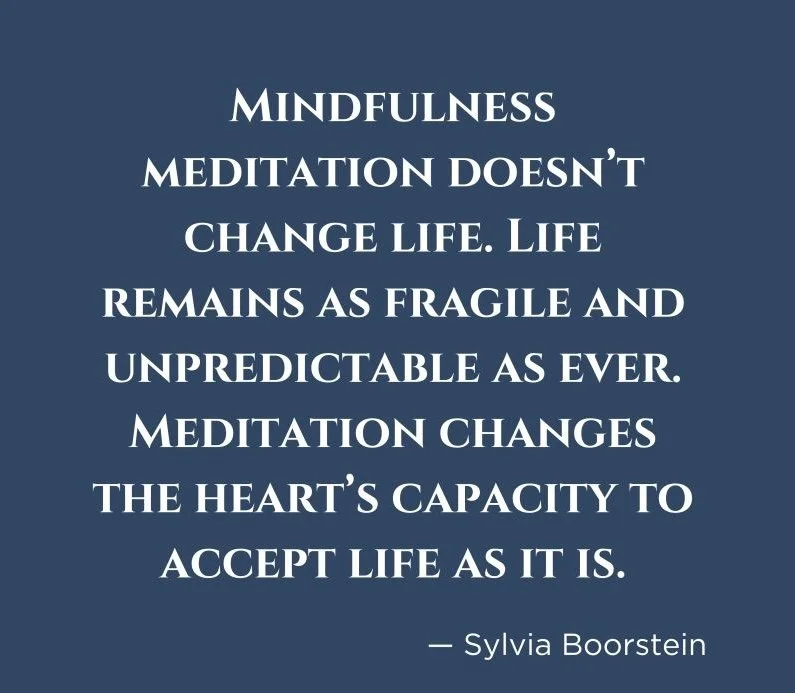
Mindfulness is not about escaping life—it is about transforming your relationship to life.
This is where freedom from suffering begins.
If you feel called to explore or deepen your meditation practice, Patrick is here to support you with warmth, clarity, and grounded guidance.
Ready to take the next step?
Reach out to schedule a session or inquire about mindfulness meditation support at Mindful Therapy Asheville.